DJI_20230908074628_0472_D.jpg

La Bastide de Laurence

Residency Programme

L’Isle-sur-la-Sorgue

Annually - January to February

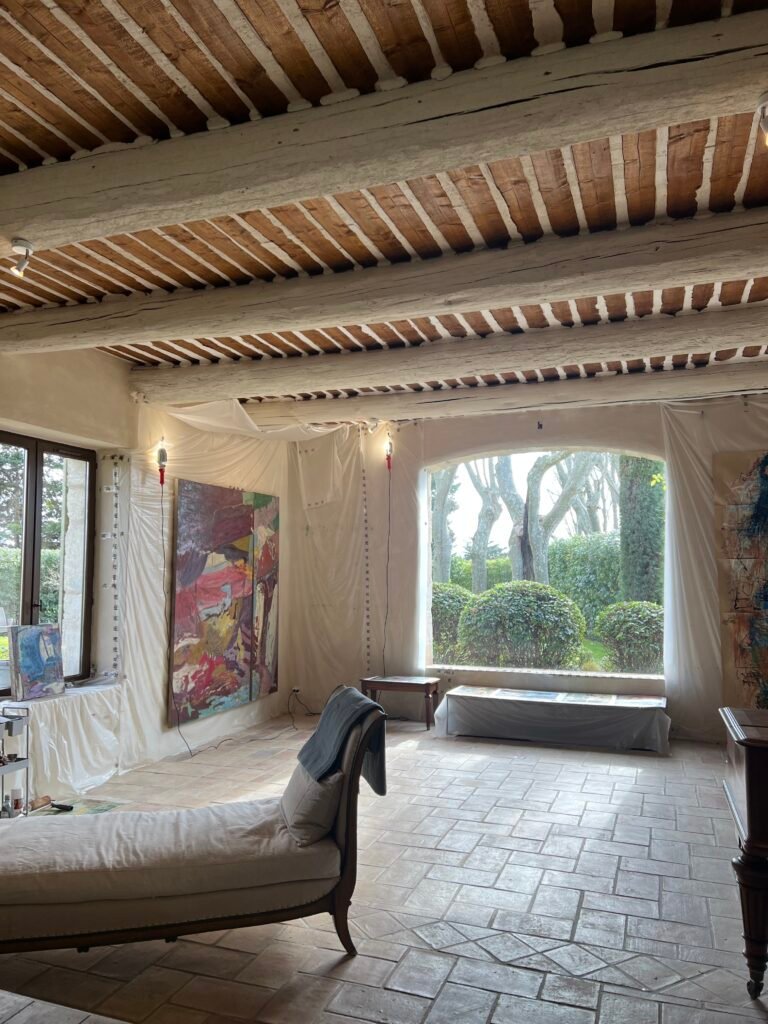
La Bastide de Laurence Residency, a unique program led by LBF Contemporary, is nestled in the charming village of L’Isle-sur-la-Sorgue, a Provencal town in Vaucluse, southeast France. La Bastide de Laurence is a beautifully renovated 18th-century home, located just a few kilometres from some of the most artistically significant villages in the South of France. Designed to nurture artists, the Bastide offers an exceptional setting that fosters creativity and exploration of new cultural contexts. By merging the historical with the contemporary, the residency immerses participants in the rich heritage of Provence. 

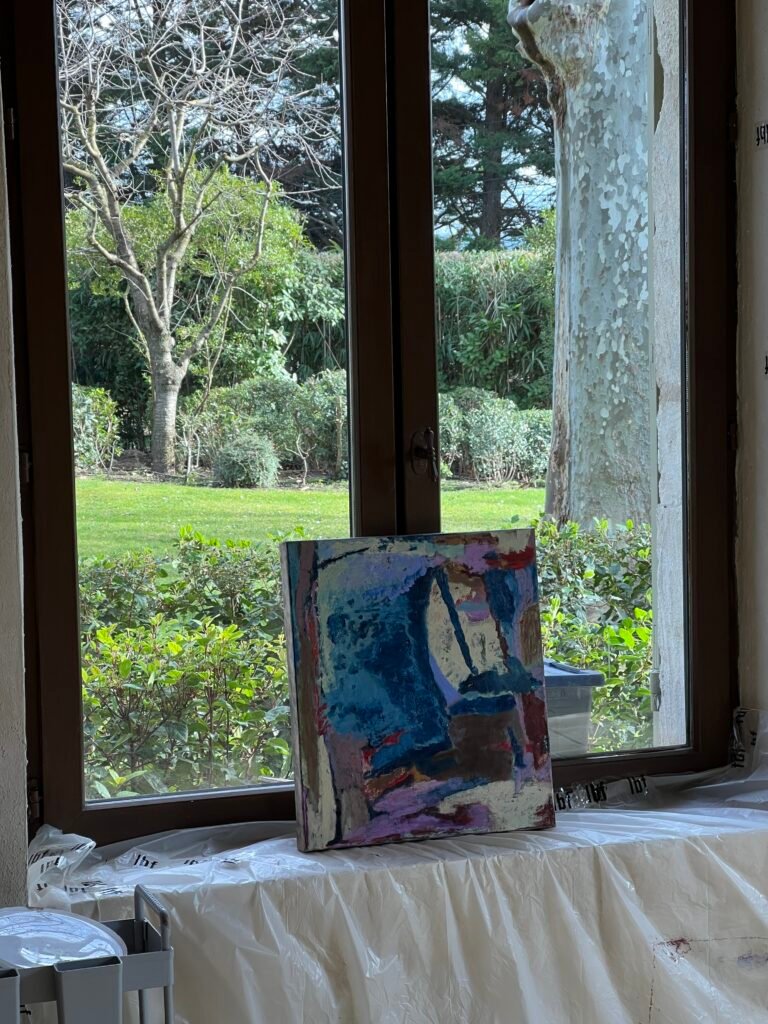
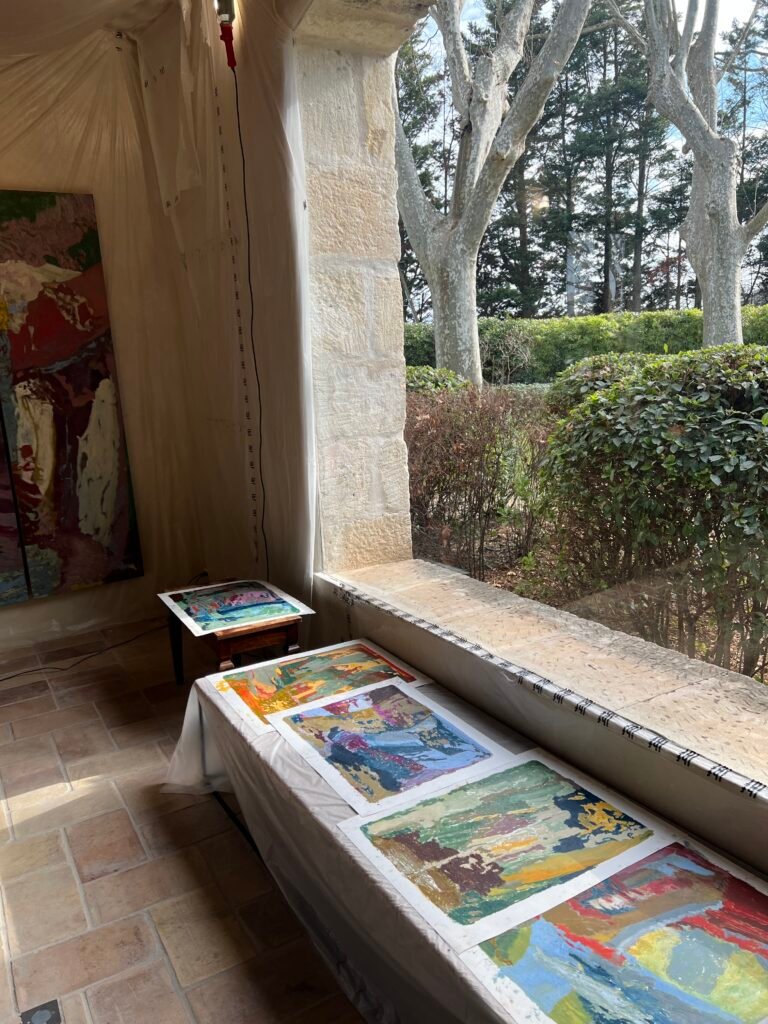
During their stay, artists will have the opportunity to explore renowned museums, galleries, and cultural centres across Provence, a region celebrated internationally for its collections. La Bastide de Laurence itself is a sanctuary of art, with restored antique pieces and artefacts adorning its warm interiors. The property’s idyllic gardens, filled with Mediterranean plants like olive and cypress trees, offer a peaceful retreat for relaxation and reflection.

The residency aims to transform into a haven for creative growth, honouring the landscape that has inspired generations of artists. By providing this unique environment, the residency continues the legacy of Provence as an endless source of artistic inspiration.

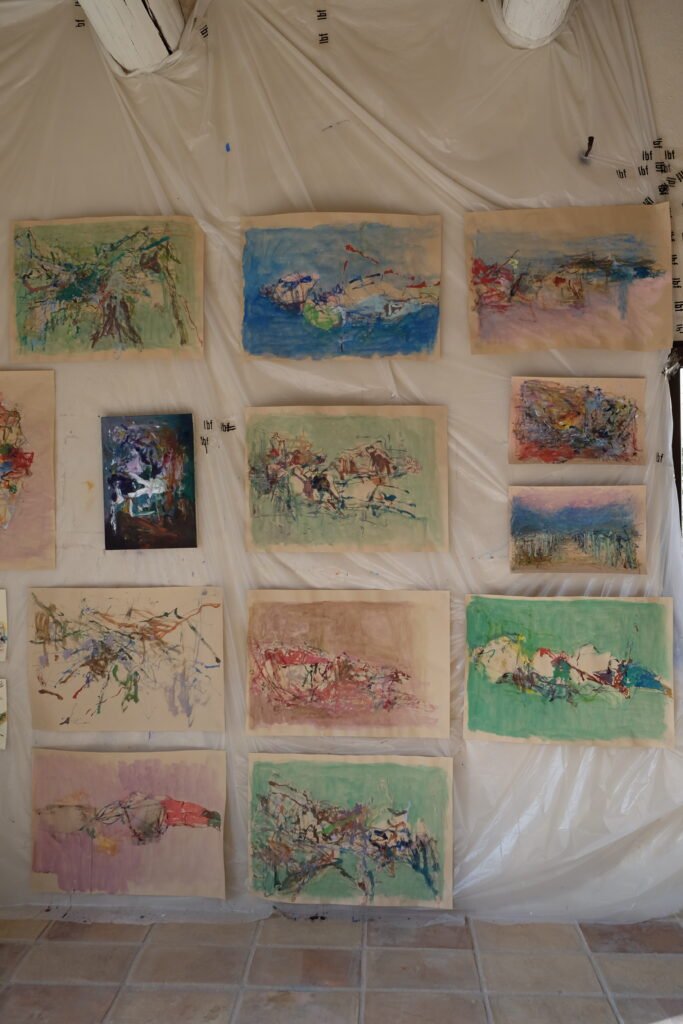
Through a blend of independent and collaborative research, artists will be invited to explore materials and techniques historically used in the area, deepening their connection to their environment. This interdisciplinary approach to art-making allows for experimentation, while also providing support to expand and refine their own artistic practices.

Artists will share a studio space within the home's salon, fostering an environment of collaboration where they can exchange ideas, inspire one another, and work together. The spirit of collaboration at La Bastide de Laurence will extend far beyond the residency walls. By connecting residents with local artists and projects through strategically developed partnerships, the residency aims to spark meaningful conversations and enquiry. With a vision to create an ever-growing alumni network, the residency aspires to build a lasting legacy, one that continues to nurture creativity and forge connections long after the residency ends.

L’Histoire by Salomé Jacques

Bastides, with their elegant structures and meticulously designed gardens, created in Provence a landscape both historically rich and visually captivating. Emerging in the early 1700s, they were distinguished by their sturdy structures built from local stone, terracotta-tiled roofs, and luxurious gardens. These grand estates often featured tall, wide windows that faced the gardens and vineyards, blending architecture with the surrounding landscape. It is in this idyllic setting that the French avant-garde flourished in the 19th and 20th centuries, drawing inspiration from the region’s incomparable beauty.

For the Impressionists, the light of Provence was everything — vibrant, lifelike, and perfect for capturing the fleeting ‘impression’ of everyday scenes. Painting ‘en plein air’ allowed them to immerse themselves directly in the Provencal landscape, setting up their easels amidst nature with just a few tubes of oil paint. With shades of vermillion, emerald green, cerulean blue, and lemon yellow, they rendered the Mediterranean coast and its villages with remarkable precision. Claude Monet  immortalised the ruins of Château Noir, Berthe Morisot captured the bustling port of Nice, Auguste Renoir depicted the intimate Cagnes-sur-Mer… The eyes of the ‘artist-traveller’ in the 1880s were drawn to the South of France, a region of unparalleled beauty—authentic, classical, and still largely unexplored. For the Impressionists, and for the movements that followed, Provence became the canvas for a pictorial revolution. 

Vincent Van Gogh’s journey to the South of France was driven by a more introspective and emotional quest. Arriving in Arles in 1888, Van Gogh was drawn to Provence’s spirituality. Instead, the region became the backdrop for his intense emotional struggles, culminating in his confinement at the asylum of Saint-Paul-de-Mausole in Saint-Rémy. Despite this turmoil, Provence inspired some of Van Gogh’s most iconic works; Masterpieces like Café Terrace at Night (1888), Starry Night (1889), and Self-Portrait with a Bandaged Ear (1889) reflect his bold, expressive use of colour - marking a profound departure from the more detached gaze of the Impressionists and defining the essence of Post-Impressionism. In contrast, the Neo-Impressionists viewed the South of France as a canvas for both artistic experimentation and radical ideals. Embracing the pastoral landscapes of the Midi, they blended classical motifs with depictions of Mediterranean life. For them, Provence represented a utopia where nature, art, and individual freedom coexisted harmoniously. Paul Signac, a committed anarchist, admired the region’s simplicity and rurality - his pointillist depictions of Saint-Tropez captured its unique atmosphere. The vibrant colours, coastal pine trees, and unspoiled rural life symbolised the promise of a better society, making the region a refuge for those seeking both artistic and personal liberation.

Meanwhile, Paul Cézanne’s observations of Provence had a profound and lasting impact on modern art. His deep attachment to his native Provence was not merely a recurring theme in his work; it was the driving force behind his development of a unique visual language. This is perhaps most evident in his numerous depictions of Mont Sainte-Victoire. By deconstructing nature into geometric forms, Cézanne conveyed the softness of the Provençal sunlight, inviting the viewer to observe the serene yet complex scenery that marked his life. Another example of this is Les Grandes Baigneuses; Cézanne’s ability to merge tradition with abstraction redefined the way landscape was perceived. These principles were fundamental to the emergence of Cubism. For instance, L’Estaque was for George Braque a sincere immersion in Cezanne’s world; paying homage to Provencal authenticity, its people, houses, landmarks, the earthy tones of his palette reflect the traditional hues of the southern landscape while pushing the boundaries of Cubist experimentation. 

In the Summer 1905, André Dérain and Henri Matisse travelled to Collioure; the leaders of the Fauvists painted its coastal charm with intuition, the colour infused with a bold, anti-naturalistic, and sensual palette of reds, pinks, greens, violets, blues. In many ways, Provence revealed itself to them like a prophecy. Matisse declared in his manifesto Notes of a Painter (1908) ‘what I am, above all, is expression’. This statement perfectly encapsulates the spirit of the Fauvist movement, with its dedication to artistic innovation and reacting emotionally to the world that surrounds them. In fact, it is in Provence that Matisse ventured beyond the parameter of the canvas, leaving a permanent mark on the region’s cultural heritage. The Chapelle du Rosaire in Vence stands today as a reminder of Matisse’s commitment to spiritual perfection. 

Past Studio Artists

  • Annice Fell

    Born 1997, UK

    Lives and works in London, UK

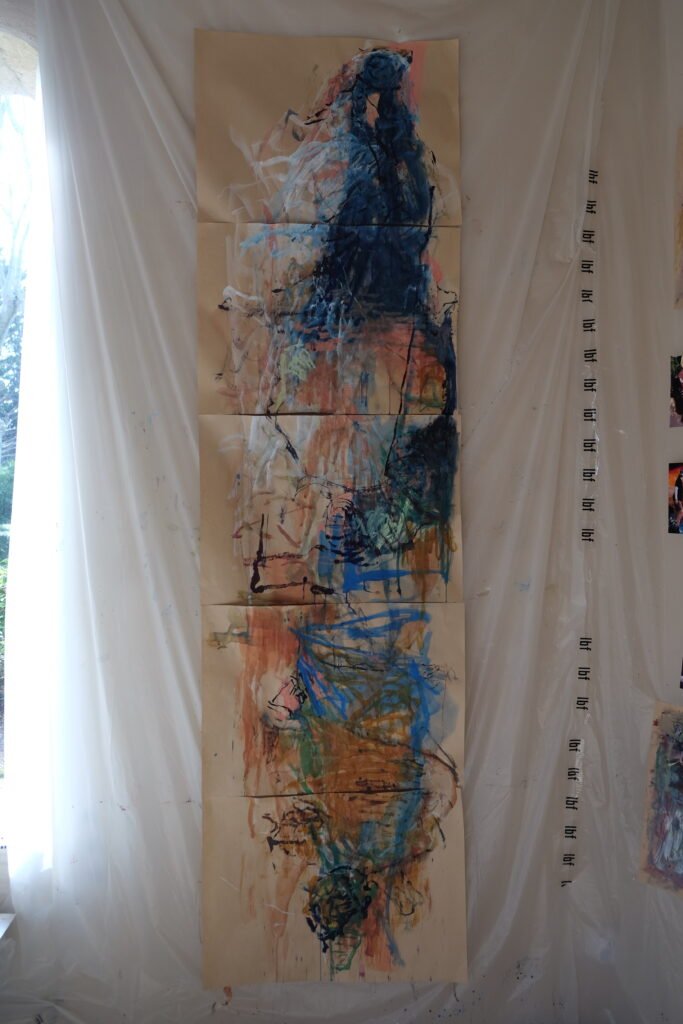
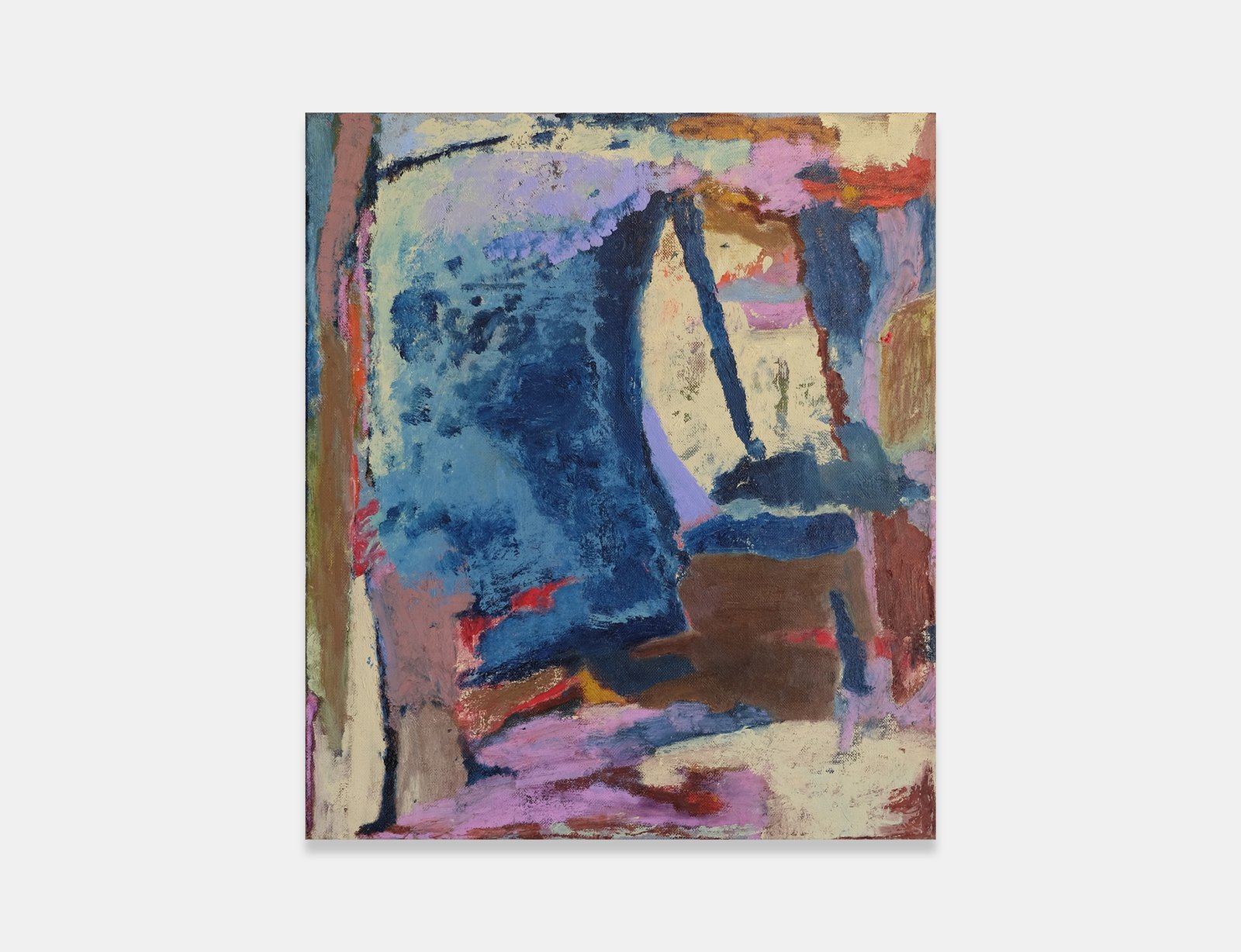
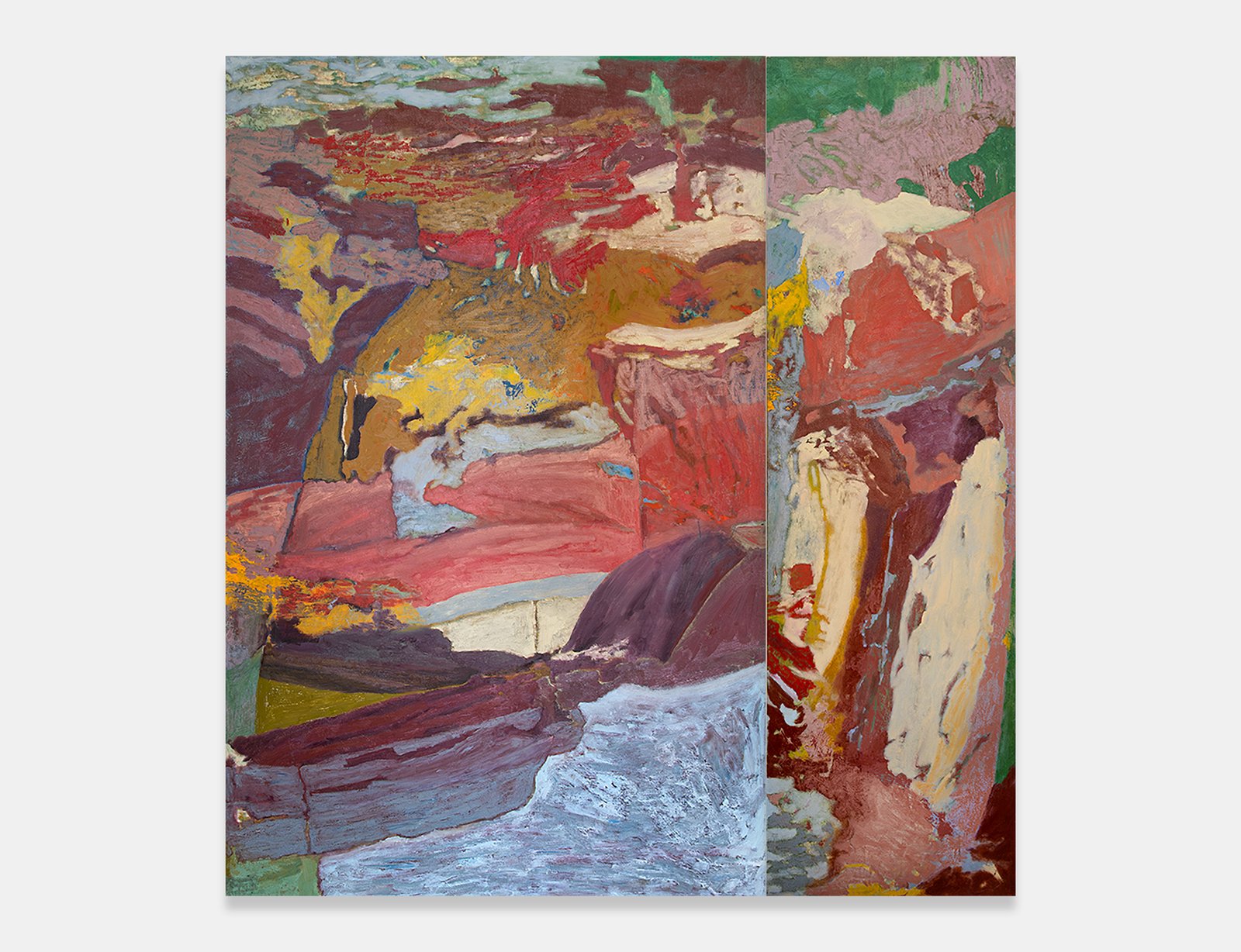
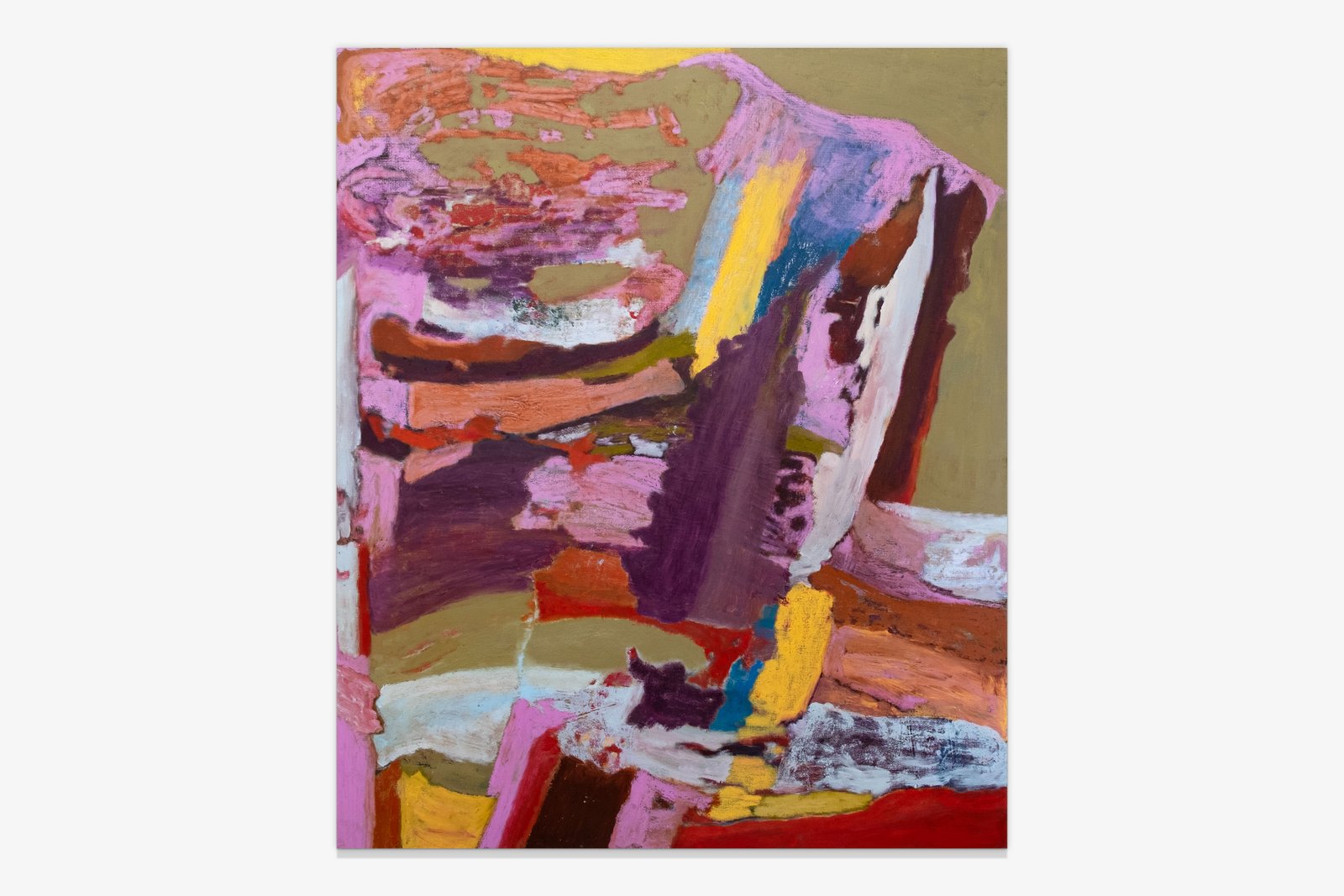
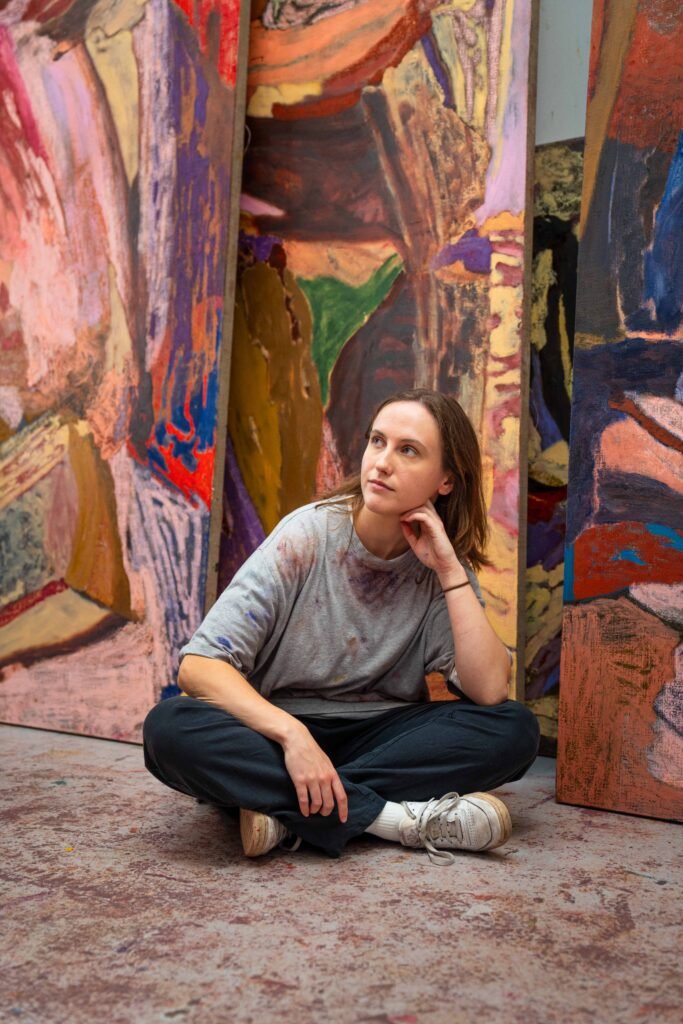
    Annice Fell graduated from the Masters Painting Programme at the Royal College of Art in 2023 and earned her BA in Painting at the Slade School of Fine Art, UCL in 2020. Fell’s bold paintings explore intuition and response. Rooted in the relation of the paint to the body and space, Fell’s work encapsulates the human experience. Each canvas begins with applying a unique monoprint, which is then built up, deconstructed, and manipulated by hand. This process creates a journey for each painting to have to undergo, juxtaposing premeditation and impulsivity and requiring any attachment to an initial starting point to be let go. Fell draws inspiration from techniques such as decalcomania and automatism and seeks to unravel the binary of abstraction and figuration. Fell was the recipient of the Betty Malcolm Prize and the Richard Ford Award.

  • Tianyue Zhong

    Born 1994, China

    Lives and works in Los Angeles, USA

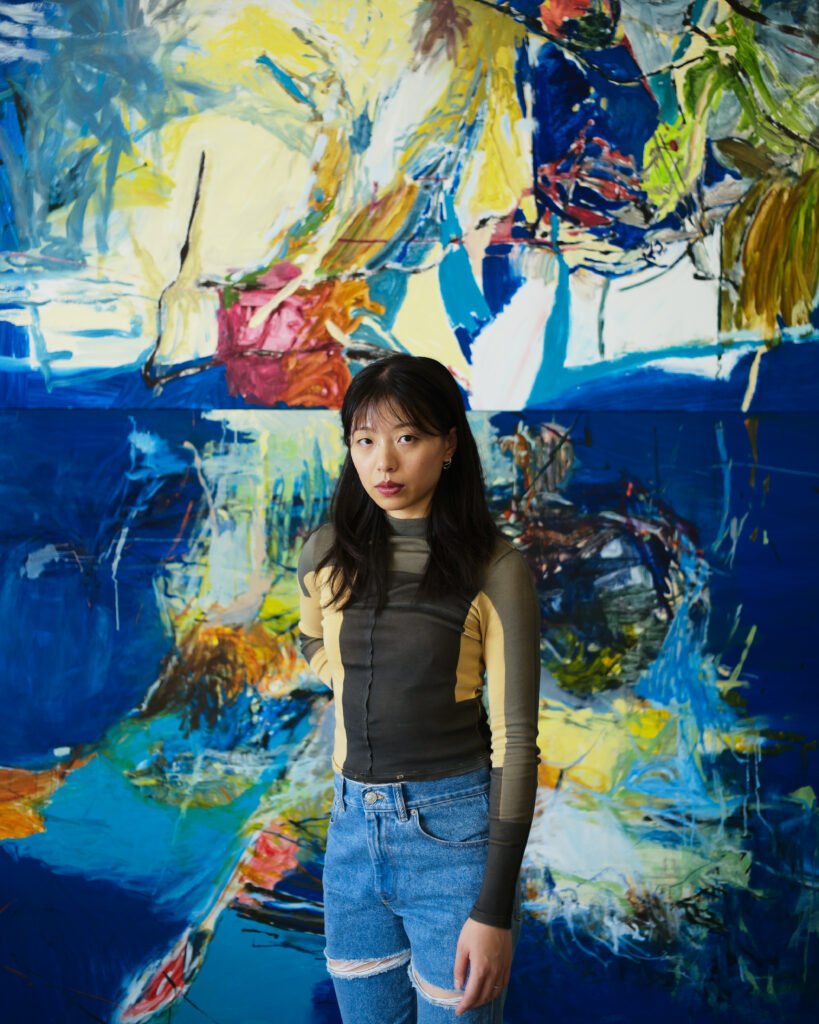
    Tianyue Zhong received an MA in painting from Royal College of Art in 2020 and a BA in Fine Art from the School of the Art Institute of Chicago in 2018. Zhong creates paintings and drawings that illustrate the uncontrollable nature of life. By using historical photographs she finds in research and shooting her own imagery, Zhong aims to capture a transformation between waiting and losing, engaged with the exuberant handling of line and paint. Fear, with its meaning in her life and her painting process, is the powerhouse for Zhong to repeatedly paint the same subject matter over time, whereas the body and shapes are incomplete and seem strangled. Zhong’s work is in the collection of AMOCA in Cardiff, Wales. The artist will present her debut UK solo exhibition at lbf contemporary in March 2025.

  • H.E. Morris

    Born 1989, USA

    Lives and works in London, UK

    H. E. Morris completed her PhD in Fine Art at Newcastle University in 2025, after receiving a MA from Goldsmiths in Contemporary Art Theory, a MFA from the University of Iowa in Painting and Drawing, and a BA from Hampshire College. Morris was a fellow at the Fine Arts Work Center in Provincetown, MA in 2019, and a Soho Revue Artist in Residence in 2023. Her practice is interested in working through a place of emotion to search for a truth. Structuring her paintings through memory, she explores the temporalities of narrative in order to test a notion of time that splits between working through absence and presence. Morris’s work can also be found in the collection of the Green Family Art Foundation, Dallas, TX, US; and in Museu Inimá de Paula, Brasil.

  • Gaia Ozwyn

    Born 1991, Plymouth, UK

    Lives and works in London, UK

    Gaia Ozwyn is a Caribbean-British artist, who completed an MA in Painting at the Royal College of Art in 2024, supported by the Sir Frank Bowling Scholarship. Originally trained as a biomedical scientist and in Medicine, she spent several years working as a doctor in the NHS before committing to a full-time painting practice. Ozwyn’s work explores transitional spaces - borderlands and peripheries - as sites of tension, transformation, and truth. Rooted in the shared experience of inhabiting a corporeal and shifting world, the paintings reflect a dynamic interplay between material presence and transience. In 2025, Ozwyn was selected for the RCA BLK x Yinka Shonibare Foundation residency, held at the G.A.S. Foundation in Lagos, Nigeria.

  • Lawrence Perry

    Born 1999, Singapore

    Lives and works in London, UK

    Lawrence Perry graduated from The Slade School of Fine Art in 2021. The London-based artist paints uncanny scenes loaded with a psychological charge and heavy dose of wit. Drawing from film, mythology, literature and fashion, Perry creates scenes that feel familiar yet surreal, interacting with the emotional states of the figures that populate them. Each painting is packed with subtle nuance and contradiction, leading to an uneasy environment in which the viewer is invited to question the psychological states of his characters or the authenticity of their narrative. Lawrence first came to the public eye in 2016 when his work as an in-house artist for an anti-Brexit lobbyist group was picked up by British GQ, and since featured in Alessandro Michele’s A/W 2020 campaign for Gucci, ‘Gucci, The Ritual.’